Visit and workshop
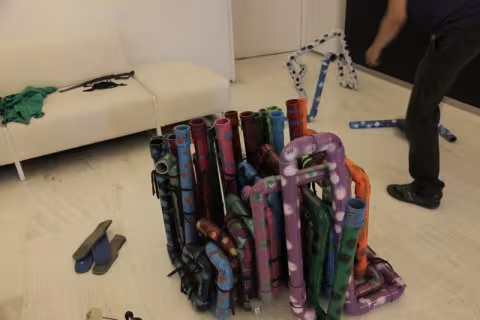
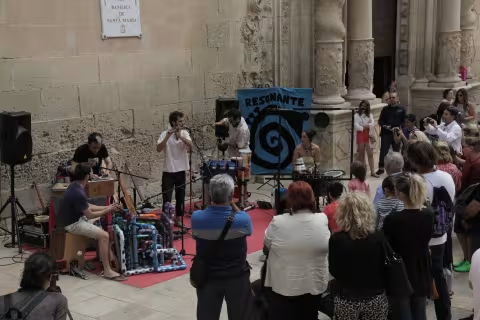
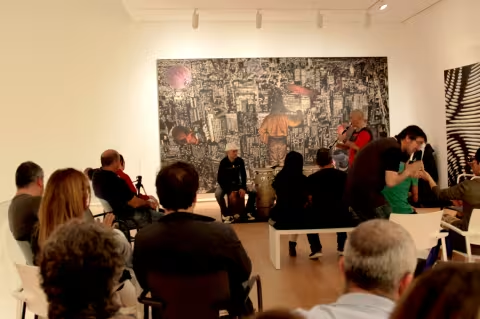
Visit and workshop around the exhibition Spaces of resistance
Press Enter to search or ESC to close
Visit and workshop around the exhibition Spaces of resistance
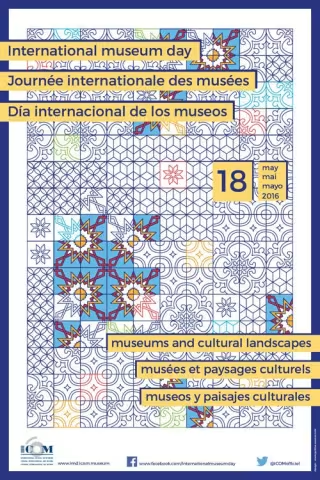
Since 1977, ICOM has organized the International Museum Day (IMD) every year, a unique occasion for the international museum community. On that day, museums participating in IMD plan events and creative activities related to the International Museum Day theme, connect with their audiences, and emphasize the importance of the role of museums as institutions serving society and its development. The objective of International Museum Day is to raise public awareness of the fact that "Museums are an important means for cultural exchanges, the enrichment of cultures, the advancement of mutual understanding, cooperation and peace among peoples". It is celebrated every year on May 18 or around that date, and the events and activities organized for the celebration can last a day, a weekend, or an entire week. International Museum Day brings together an increasing number of museums around the world. In 2014, more than 35,000 museums from 145 countries participated in the event. In 2016, the event will revolve around the theme: Museums and Cultural Landscapes.
The theme "Museums and Cultural Landscapes" presupposes a form of responsibility of museums with respect to the landscape of which they are a part, to which they can contribute their own knowledge and expertise, being active protagonists in its management and proper maintenance. The primary mission of museums is to safeguard heritage, whether within or outside their walls. Their natural vocation is to expand their mission and deploy their own activities in the open field of cultural heritage and the landscape that surrounds them, and for which they can assume responsibility in varying degrees.
To the vision of a museum primarily committed to the conservation, exhibition, and communication of its own collections, another vision is substituted that is more respectful of nature—an institution that also conducts research and produces, acquires, and disseminates knowledge about the territory that surrounds it, and raises awareness among the communities living there to have a different perception of their landscape.
Responsible for the landscape that surrounds it, the museum equally has the mission to protect and conserve environmental heritage, in order to promote development that respects its identity characteristics, by mutual agreement and in collaboration with all entities—public and private—that have an interest in it in various aspects. A museum responsible for the landscape assumes, at the same time, its role as a center for the interpretation of heritage and territory, promoting its knowledge and raising awareness among its inhabitants and visitors about its constitutive values, requesting their intervention for its conservation, promotion, and enrichment. The landscape, by nature, is in constant evolution and could not be fixed or converted into a museum. Protecting and conserving it amounts to preventing its transformations from resulting in the annihilation, disfigurement, or degradation of its identity characteristics.
Museums can thus contribute significantly to the administration of a territory that respects the values of the landscape, by providing knowledge about the territory, heritage, and landscape; through activities of protection, conservation, and interpretation of cultural heritage carried out both inside and outside their walls; via active participation in public and urban policies and in the definition and implementation of landscape policies.
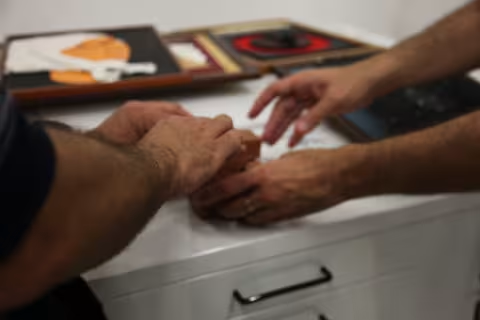
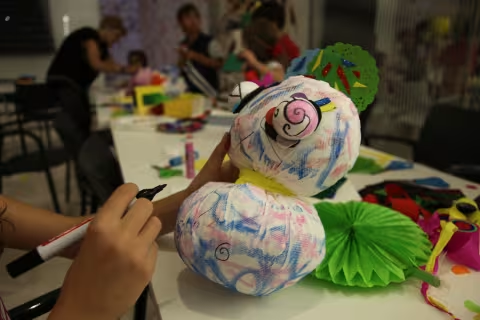
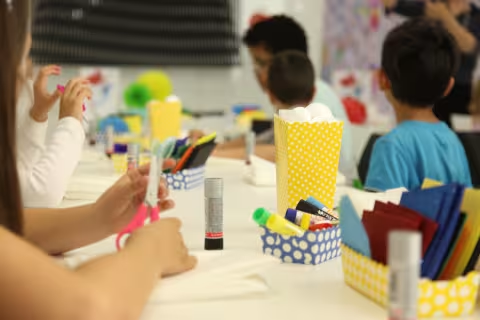
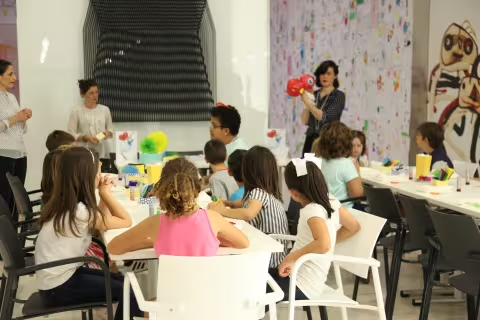
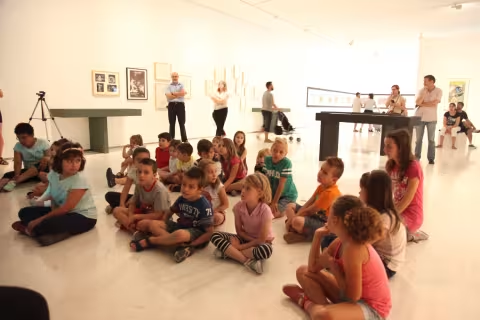
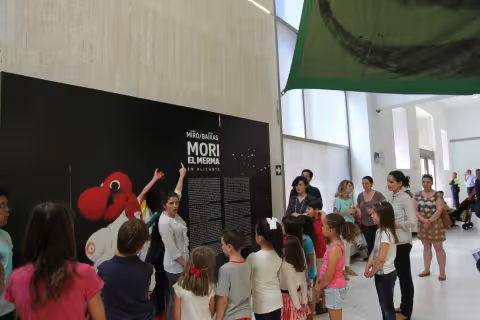
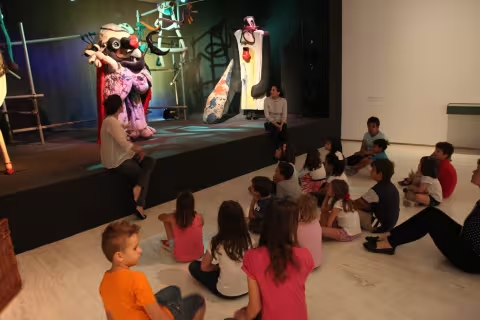
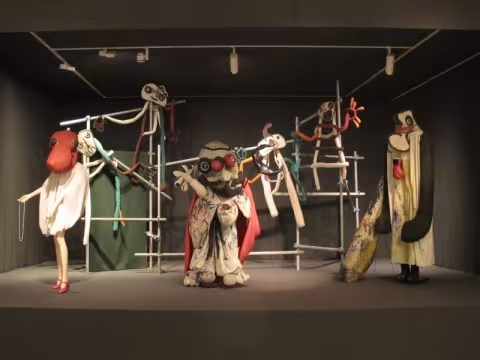
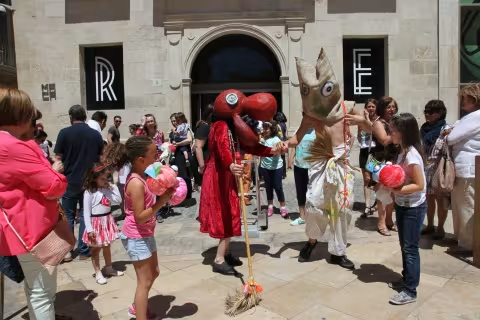
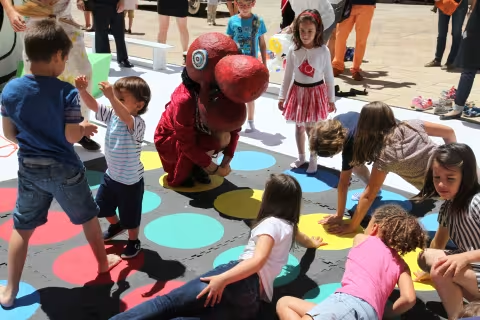
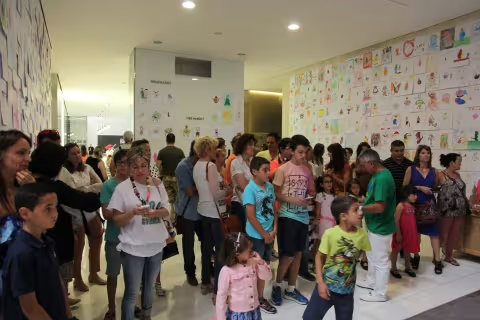
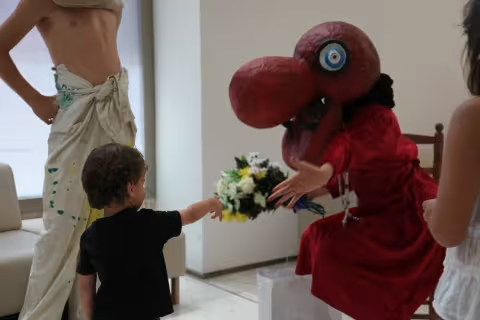
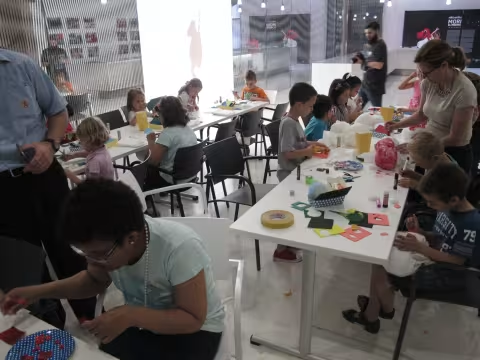
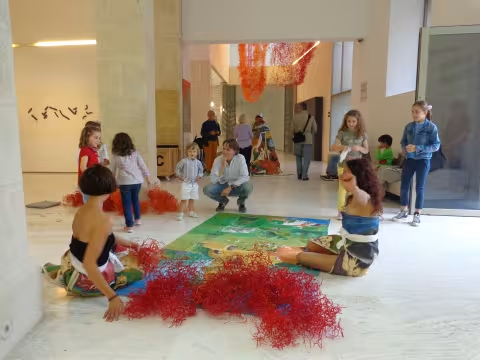
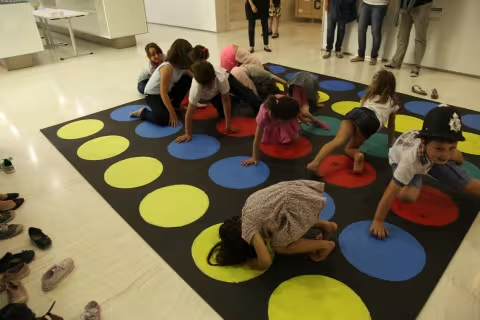
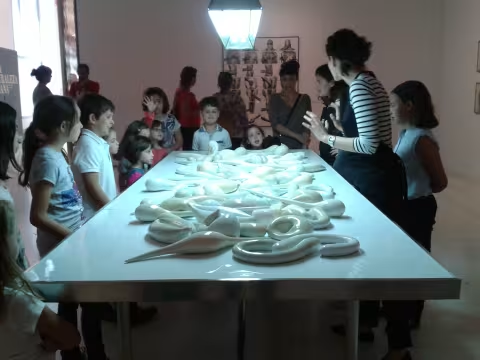
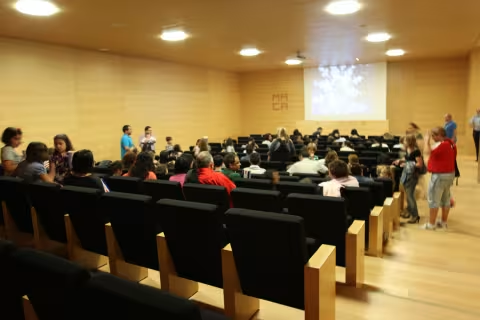
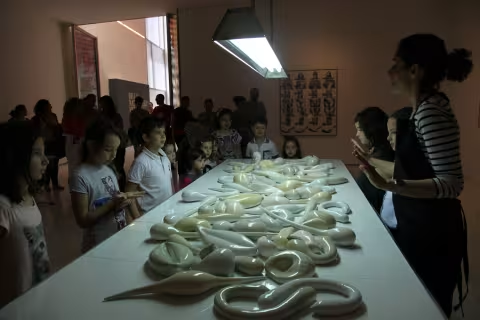
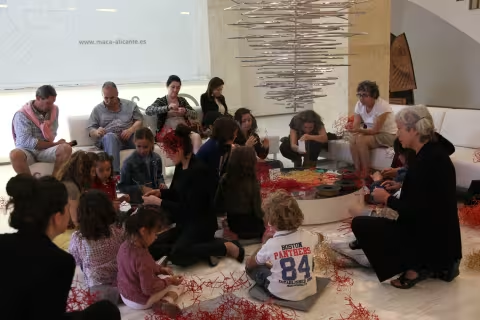
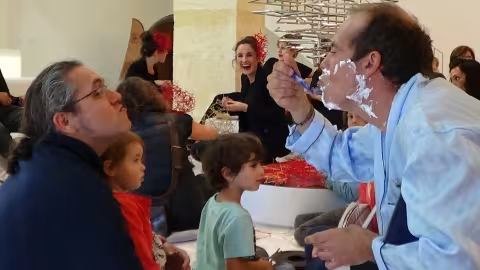
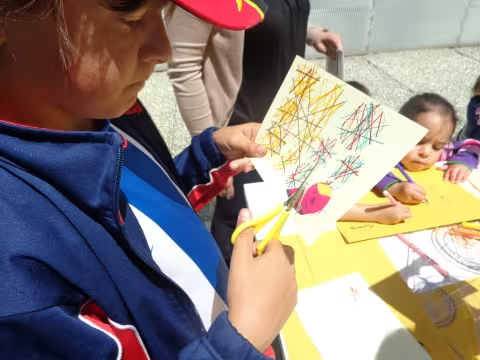
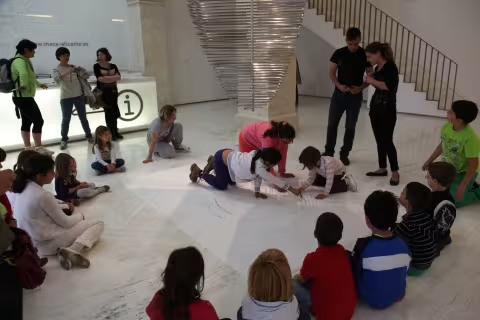
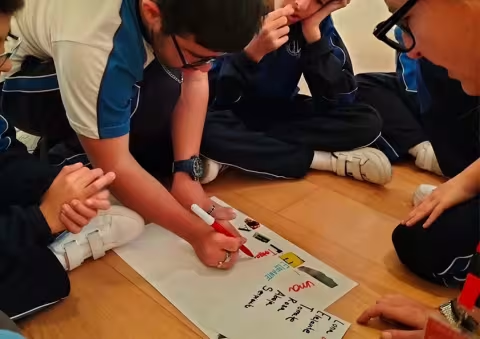
The characters from the stage and the story between the Merma, the Dona, her lieutenant and the people (the ferrets) became known; They went through Miró's engravings that told him about King Ubú, the character by Alfred Jarry on which Joan Miró based himself to create the Merma. They were able to learn about the puppet creation process through the video and, already impregnated with that atmosphere, they moved to the didactic room where Ubú and the great spiral belly in which they entered were presented to them. Immersed in that atmosphere, they proceeded to carry out the workshop in which they had to make the great red head of La Dona. It was then, when almost all the heads were already finished, when she and her companion, together with Joan Baixas, to the amazement of the children, appeared on stage and introduced themselves to the children to verify the work they had done.
Museums on May 18. From America to Oceania passing through Europe, Asia and Africa, International Museum Day is an opportunity to raise public awareness about the role of museums in the development of society.
The theme for International Museum Day 2015 as determined by ICOM this year reads Museums for a Sustainable Society. At present, humanity must adopt ways of life and development compatible with the limits of nature. The transition towards a sustainable type of society involves the invention of new methods of thinking and action. Promoters of sustainable development and authentic laboratories of exemplary practices, current museums play an essential role in this transition and must consolidate their position and make their voice heard in this context.
The theme Museums for a Sustainable Society recognizes the role of museums in raising public awareness about the need for a less wasteful society, more solidary and that uses resources in a way more respectful of biological systems. Applying this concept of sustainable society to museums, the theme of International Museum Day aims to promote greater awareness throughout society about the current impacts of human action on our planet and the imperative needs to change the economic and social model.
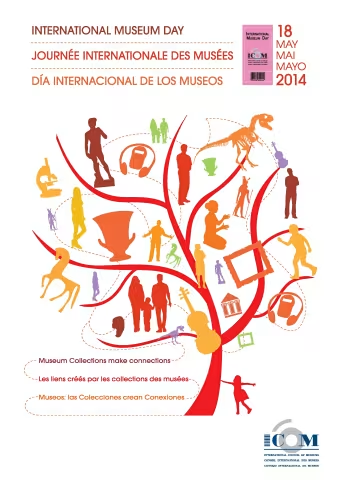
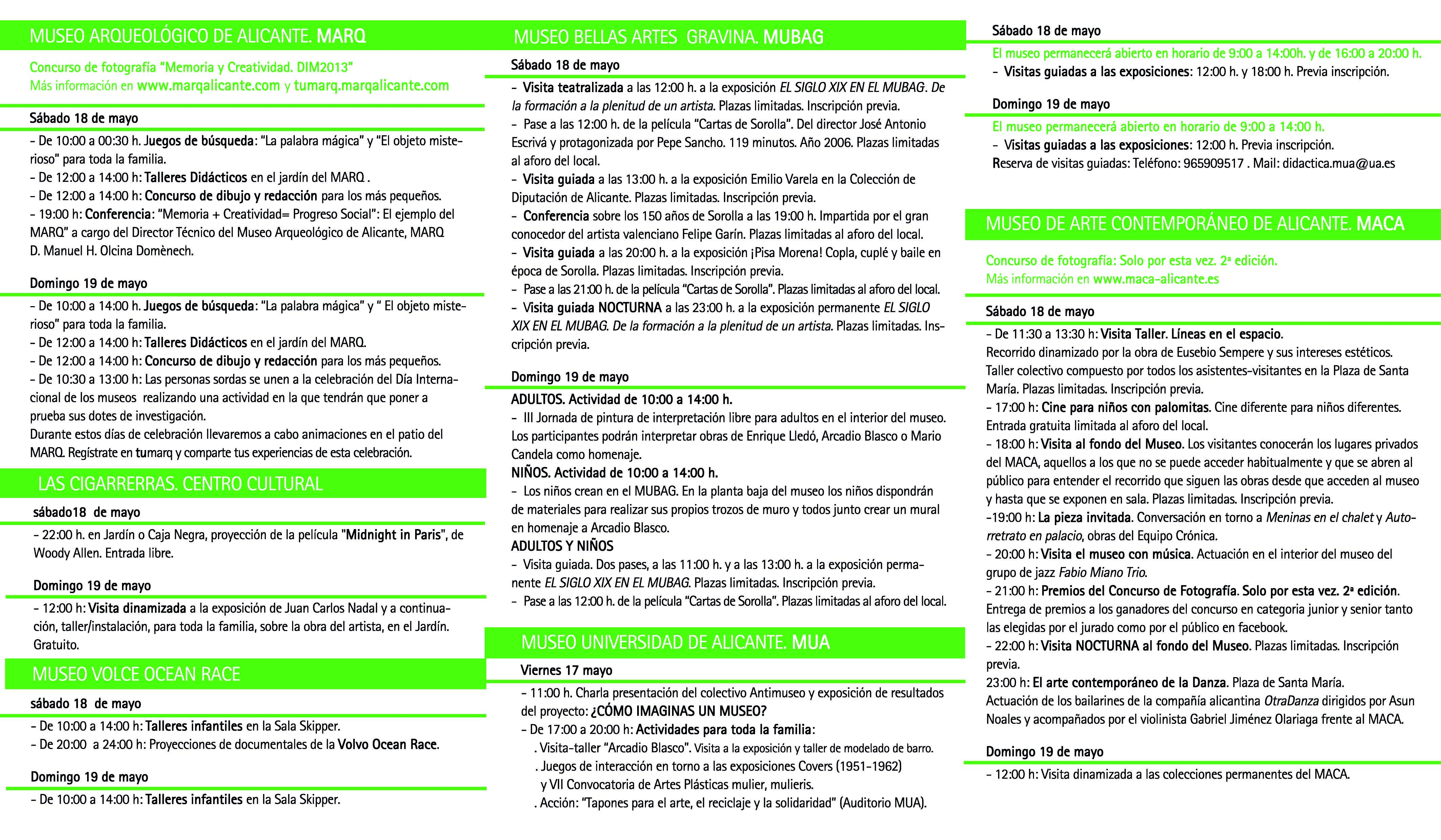
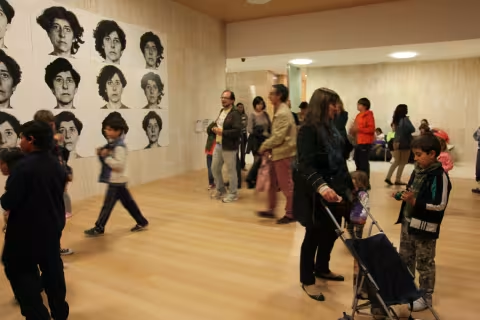
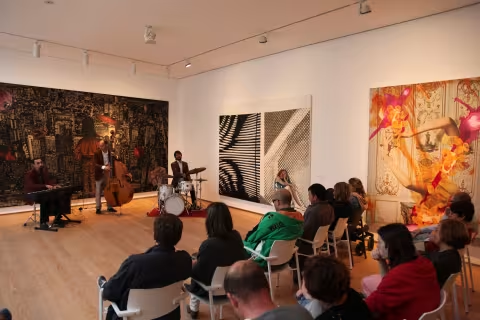
MACA participated for the third consecutive year in the International Museum Day. The theme proposed by ICOM this year was "The connections created by Museum collections," which emphasizes how museum collections create connections between people, generations, and cultures by preserving and displaying cultural heritage. This theme highlights that museums are living institutions that establish links through collective memory and the historical, artistic, scientific, or ethnic value of their collections.
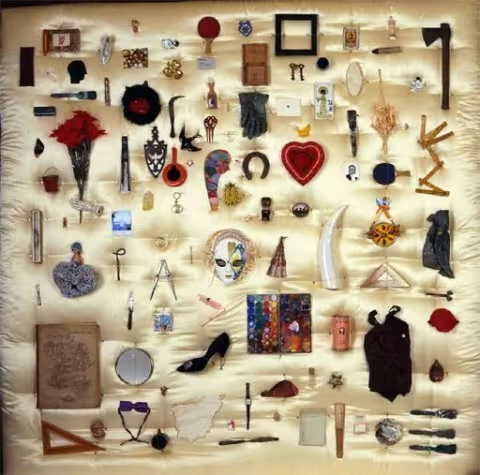
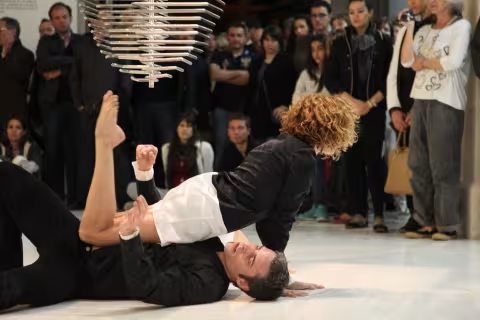
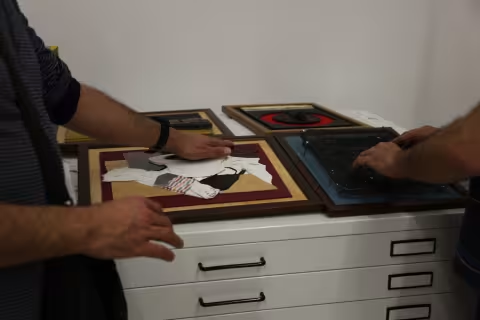
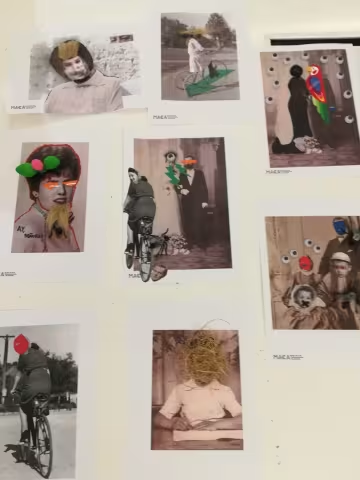
A journey through the memory of a life transformed into a work of art: memory + creativity. Regarding a piece by Carmen Calvo.
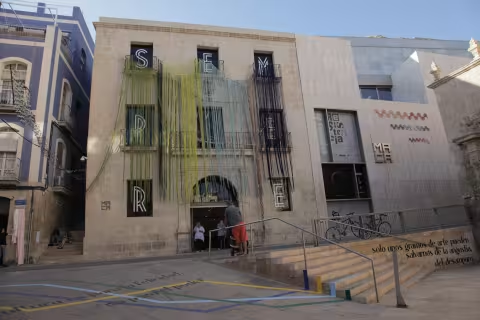
Dynamized tour through the work of Eusebio Sempere and his aesthetic interests.
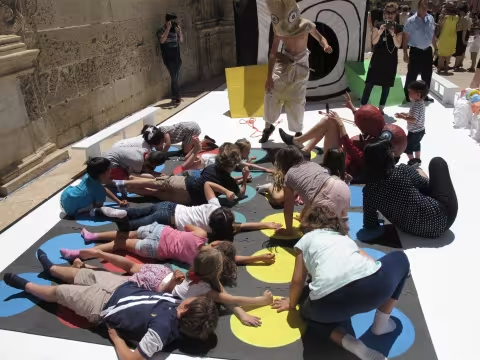
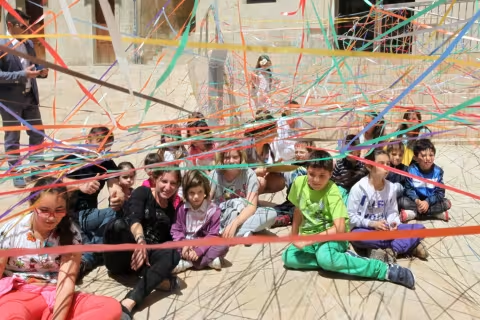
Collective workshop composed of all attendees-visitors in Plaza de Santa María.
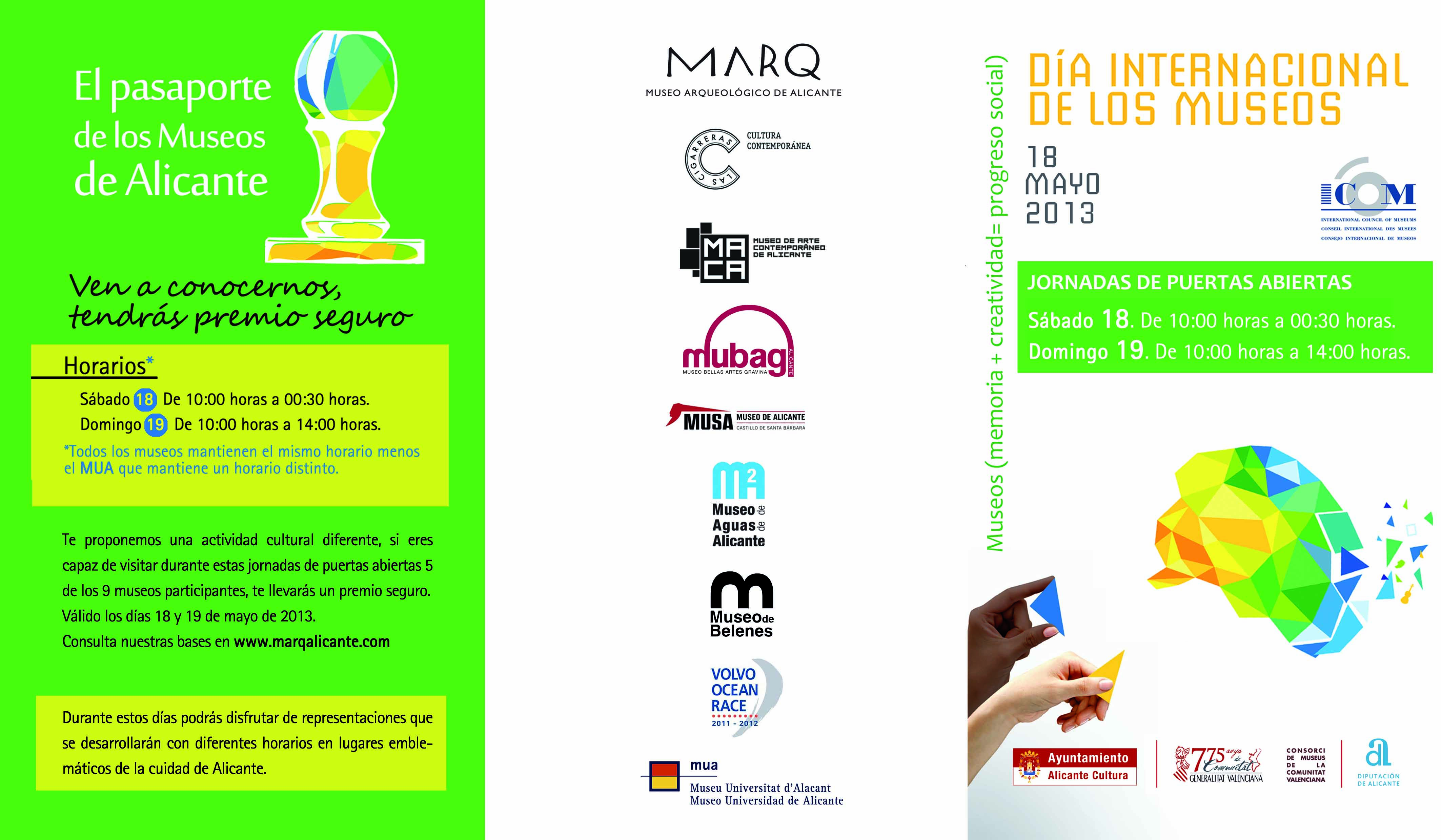
Traditionally, the International Museum Day is celebrated around May 18. The celebration can last a day, a weekend, or a week. The objective is to gather at the museum around the motto "The museum, an important medium for cultural exchanges, the enrichment of cultures, the advancement of mutual understanding, cooperation and peace among peoples".
Since 1977, ICOM organizes the International Museum Day (IMD) every year, a unique occasion for the international museum community. On that day, the museums participating in the IMD present an issue that concerns cultural institutions. The International Museum Day also represents a great opportunity for museum professionals to
get to know their public and emphasize the importance of the role of museums. Museums are institutions at the service of society and its development and therefore have a role to
play in it.
The IMD brings together more and more museums around the world. In 2012, 32,000 museums participated in the event in 129 countries across the 5 continents. The ICOM Advisory Committee proposes a theme each year that museums can use to
enhance their position in society.
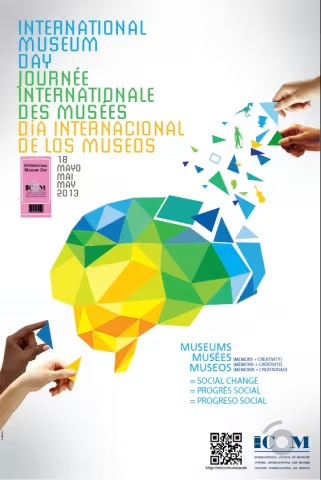
The theme proposed for the year is Museums (memory + creativity) = social progress.
Our rich heritage, which is displayed and protected by museums, is associated with ingenuity and vitality, two characteristics that in recent years have characterized the museum sector and
are the main strengths of museums. Museums strive to achieve a reconciliation of their traditional mission of preserving memory with the cultivation of creativity,
necessary for their renewal and to increase the number of visits, and they have the firm conviction that their presence and their actions can change society in a constructive way.
Decidedly optimistic, this motto in the form of an equation dynamically combines different and essential concepts that define what a museum is today, insisting on its
universal nature and the positive influence they exert on society. It also summarizes the bifurcation that museums are experiencing and reiterates their mission to contribute to the development and unity of the community.
«Altre Temps» is a visit that will transport you to another time.
Exploring the works and artists of the Mediterranean Foundation Collection of the MACA is like stopping the sands and hands of clocks, because this experience will take each participant beyond the timeline. Sometimes, you will feel that you are in the past, at other times you will be aware of your present, and almost always, reflection will lead you to direct your gaze toward the future.
During this tour, you will have references and inspiration from
artists such as Joan Brossa, Carmen Calvo, Miquel Barceló, Antoni Tàpies, among others. Each step will be filled with reflection,
creativity and emotion. «Altre Temps» is a free and inclusive activity, aimed at all people and groups. Our objective is to make the museum accessible to all citizens.
In this tour, we question traditional gender roles
in contemporary art with the aim of fostering critical and reflective thinking, generating a dialogue around new codes of communication and representation. We seek to broaden visitors' perspectives to promote a critical view and provide a clearer and more accurate vision of reality.
The tour focuses on addressing the value of diversity, detecting
prejudices, exploring identity and understanding what organizes our
society from multiple perspectives. Through the exploration of contemporary artworks that challenge gender norms, we want to invite visitors to rethink gender categories and to participate in a broader conversation about inclusion and equality in art and in society.