Javier Arias Madero. Arias Garrido, architects. Dream, idea and project.
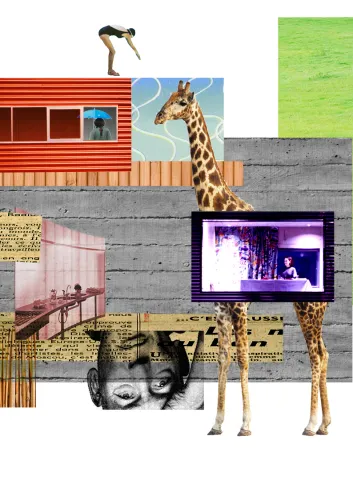
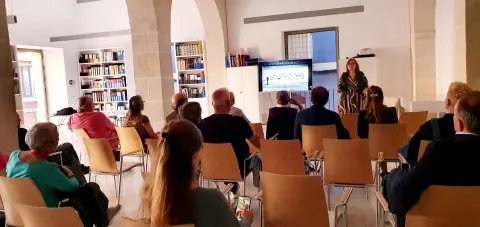
The presentation led by Javier Arias, partner at Arias Garrido Architects, will focus on his research work on the relationship between surrealism and the architecture of Rem Koolhaas, reviewing some of the most recognizable works by the Dutch architect and emphasizing his connection with the search for the irrational. In the final part of the talk, some of the buildings and projects designed by Arias Garrido architects will be shown, which also participate in this design practice.
Coordinated by: Santiago Varela
In collaboration with: College of Architects of Alicante
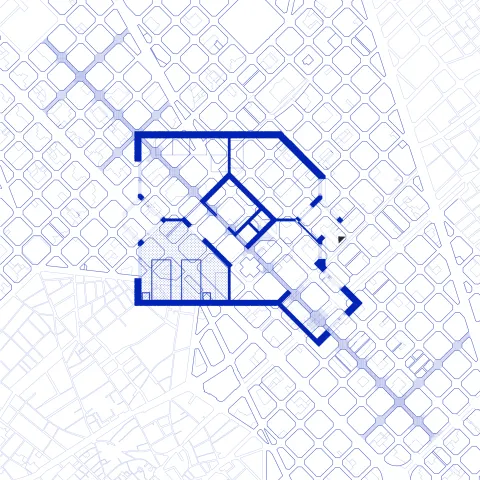
"Domesticating the house and the street" is the leitmotif that is repeated in the work of the young architecture studio Cierto Estudio, whose projects range from the design of domestic spaces to their recent experience of urban renewal of Consell de Cent street, in the heart of Barcelona's Eixample.
In their presentation, they will try to explain to us how this melody or fundamental idea of 'domesticating' works both in the house and in the street, since after all both are spaces where people coexist. And, therefore, so are work spaces, leisure spaces, accommodation spaces, learning spaces, sports spaces, or exhibition spaces, such as this museum. But what does it mean to domesticate space? How is it possible to design the domestic?
Coordinated by: Santiago Varela
In collaboration with: College of Architects of Alicante
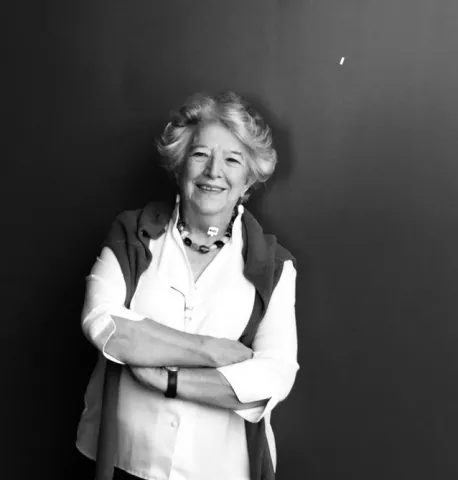
The subjects of the city are multiple and contradictory. With power and unprotected, healthy and sick, young and old, women and men. Inhabitants, visitors, owners and aspirants. Each one lives, desires and receives different treatment from the city. Some achieve success. Others only dream of it.
Coordinated by: Santiago Varela
In collaboration with: College of Architects of Alicante
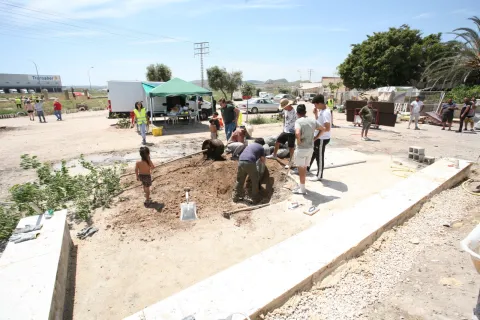
Daniel Millor Vela, community architect. Asertos Program, Quatorze Association and Architecture Without Borders. "Community urban transformation, learning from the Cemetery Neighborhood of Alicante through the Asertos program."
Through the Asertos program, since 2017 we have promoted local development in vulnerable neighborhoods, or sensitive urban spaces, starting from the local resources of the population that inhabits the territory. Space reflects and amplifies the inequalities of our society, resulting in the urban phenomenon of vulnerability. To combat it, we need to recover our communities, sources of health, well-being, and social action. We propose, as a means to increase inclusion and social cohesion, a participatory transformation of degraded neighborhoods led by their inhabitants, using the excuse of physical improvement as a tool to discover, connect, and mobilize the talents present in these areas.
To precipitate sustainable and satisfactory change through the relational power of inhabitants, projecting an innovative action strategy that looks toward a dignified, democratic, and non-paternalistic future at the neighborhood scale. Starting from neighborhood networks as a primary source of resources, we will work with social entities and public institutions to achieve dynamics of exchange and learning led by citizens, achieving community urban regeneration.
Architecture is usually thought of as an end in itself. It tends to be conceived to be stable over time, to be executed efficiently by specialists and to require low maintenance. Green spaces are paved or covered with artificial grass, vinyl is placed on wooden or terrazzo floors and materials that reduce repair costs are promoted. As architects, we take photos before spaces begin to be occupied and we strive to establish the necessary criteria to hinder the variability of projects.
In recent years we have forged lasting links with ecosystems and colleagues, where architecture has almost always functioned as a means to activate other purposes. We have built community in its definition, in its activation and also in its destruction. We have used it as an excuse to become intimate with different environments in Alicante and with those who know it best.
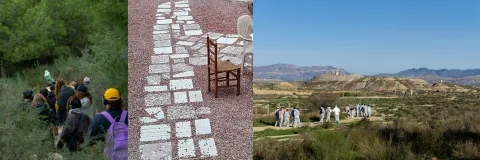
Through a tour of Monte Benacantil, the urban environment of Cigarreras, the Rabassa Lagoons and other projects that inform our practice, in the talk we will ask ourselves whether it is possible to conceive an architecture that, through its testing, activation and repair, functions as a means for things somewhat more important.
Coordinated by: Santiago Varela
In collaboration with: College of Architects of Alicante
Carma Casulá, visual artist and photographer. Between cartographies
Carma Casulá will present various artistic and documentary projects focused on the anthropization of territory, landscape, and the Mediterranean as a sea of links that converge in Tabarkinas. The journey between the lands of Tabarquina culture, and the book as a construction of narrative.
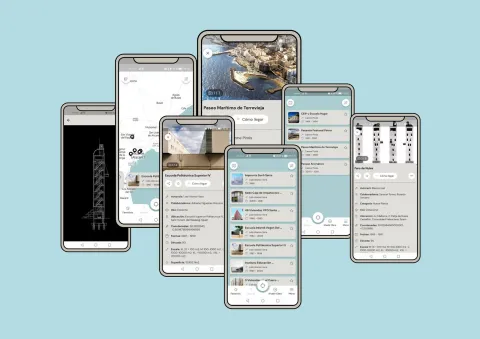
NAM (Navegando Arquitecturas de Mujer) is an app that collects and locates the works of women's architecture studied in the AICO project "Situated Perspectives. Women's Architecture in Spain from Peripheral Perspectives 1978-2008" (2021-2023), directed by María Elia Gutiérrez Mozo, Associate Professor of Architectural Composition at the University of Alicante, who leads it as principal researcher along with her team from the University Research Institute for Gender Studies at the same university.
It is an open and easily accessible resource that offers continuous content updates. It geolocates works throughout the national territory, allowing users to save personalized routes based on different search parameters (authorship, typology, use, scale, or decade). Each work, furthermore, includes a record accessible from the device consisting of basic information, photographs, graphic documentation, available bibliography, other links, and explanatory texts that account for the research conducted for each entry.
"A walk through the Port of Alicante, its coastline and some projects".
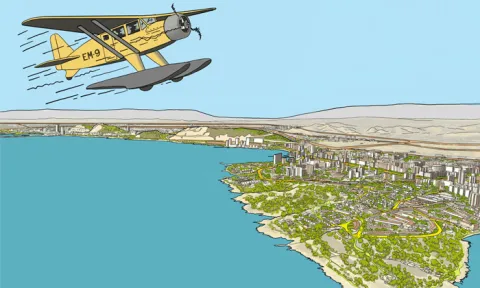
A tour with Manuel Lillo and Emilio Vicedo about the proposals, intervention strategies and projects developed by them on the waterfront of our city of Alicante, which invites us to reflect on mobility, pending infrastructure and the management structures necessary for the transformation of the coastline.
The conference is held in online or in-person format, you can choose. Online format: Through Zoom, which you can access through this link.
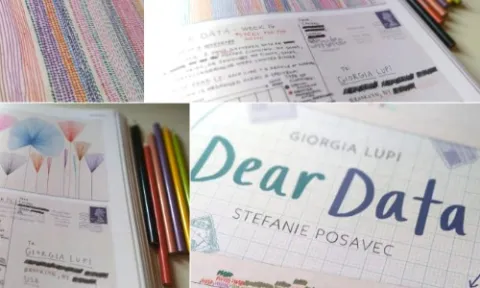
For an entire year and once a week, Giorgia Lupi and Stefanie Posavec sent each other postcards reflecting data from their personal lives. Things like: "what music you like, how much time you spend alone and accompanied or what sounds surround you", became beautiful drawings made from their personal data.
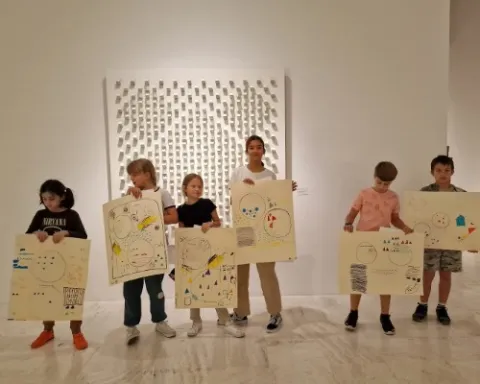
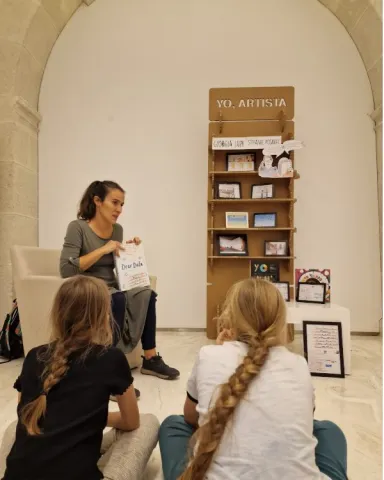
All these postcards are collected in the book "Dear data" where we also find the guidelines and ideas that the two artists discovered during the experiment. In this "I, Artist" workshop we will learn about this project by Giorgia Lupi and Stefanie Posavec, through the "visual diary" format, experiencing artistic expression through personal data.
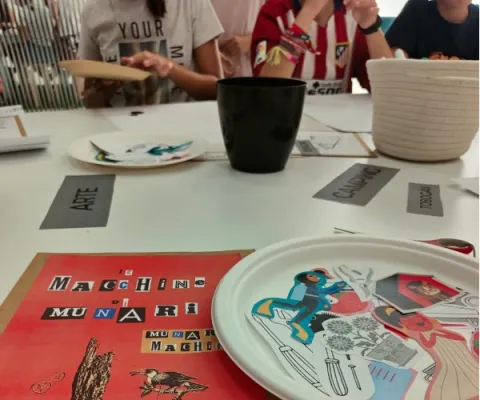
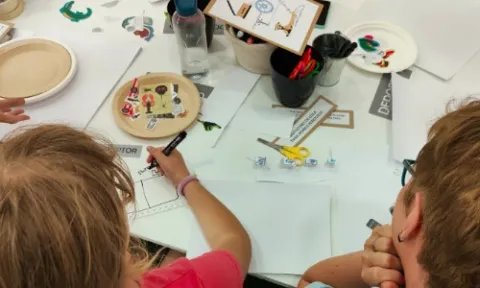
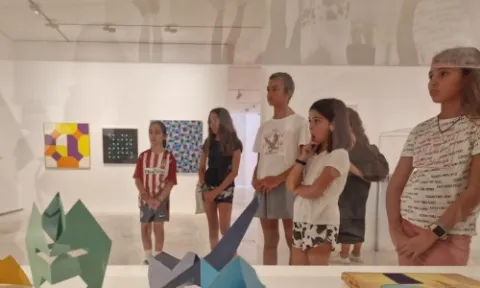
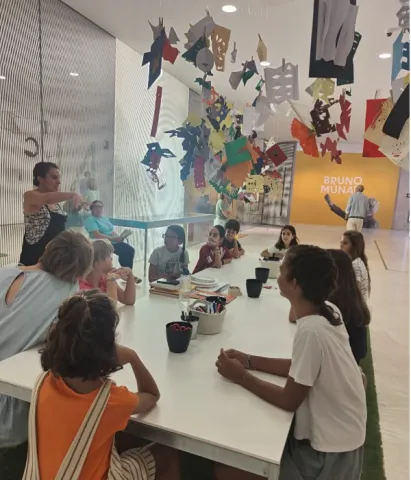
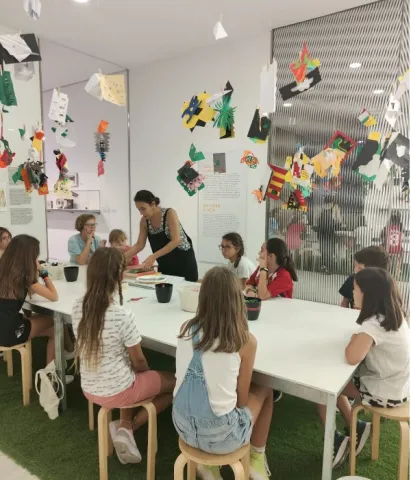
We resume the YO, ARTISTA activity with this session around Bruno Munari's exhibition, a total and multifaceted artist. During the workshop we will put into practice the creative games that Munari collected in his book titled "Fantasy", to find out where ideas come from, how creativity works and how we can train our imagination.
"Fantasy, invention and creativity think, imagination sees". (Munari)